Where You Can Forage in Michigan: Public and Private Land Rules
Knowing what you found is half of a good forage walk. The other half is knowing whose land you’re on and what’s allowed there.
Michigan has state forests, state parks, game areas, national forests, local parks, nature preserves and private land. Each has its own rules. Rules can change, so check with whoever manages the land before you pick.
The Michigan DNR’s Foraging for Wild Foods page is a good place to start.
The Basics on State Land
On land run by the Michigan DNR:
You can pick mushrooms, berries, fruit and nuts for your own use.
You can’t sell anything you pick there, and that includes mushrooms.
You can’t take anything that kills or damages the plant.
Rare and protected plants stay where they are.
Be sure what you have before you eat it. If you’re not sure, leave it.
What You Can Pick on State Land
Mushrooms
Pick the mushroom and leave the ground around it looking natural. Popular finds include:
Morels (Morchella)
Chanterelles (Cantharellus)
Chicken of the woods (Laetiporus)
Hen of the woods, also called maitake (Grifola frondosa)
Oyster mushrooms (Pleurotus)
Our Foraging Ethics in Michigan guide covers how much to take and how to keep a patch healthy.
Berries, fruit and nuts
Pick wild berries, tree fruit and nuts without pulling up or breaking the plant. Skip roadsides and field edges that may have been sprayed.
What You Can’t Pick on Public Land
The DNR says these can’t be taken from public land:
Plant or activity | The rule |
|---|---|
Ramps, also called wild leeks (Allium tricoccum) | Not allowed on public land. |
Fern fiddleheads, such as ostrich fern (Matteuccia struthiopteris) | Not allowed on public land. |
Wild ginseng (Panax quinquefolius) | Threatened and protected. Don’t dig it anywhere in Michigan. |
Whole plants, or any plant that is cut or killed when picked | Not allowed on public land. |
Tapping maple or other trees for sap | Not allowed on public land. Tap trees on private land with the owner’s OK. |
Christmas trees, balsam boughs and other live trees or branches | Not allowed in state forests. National forests sell Christmas tree permits. |
Invasive plants on Michigan’s prohibited and restricted list | You can’t have them, so don’t collect them. |
Ramps and fiddleheads are the spring questions we hear most. On public land, the answer is no. On private land, you can pick them if the owner says yes. Wild ginseng is different. Michigan isn’t giving out permits to dig wild ginseng, so leave it alone everywhere, private land included.
Where You Can Forage
Each kind of land has its own rules. Here’s how they compare.
1. State forests and DNR land
Much of the land around Clare County and the northern Lower Peninsula is state forest. It’s a great place to pick mushrooms, berries, fruit and nuts for your own table. But state forest comes in patches with private land mixed in, and there’s often no sign or fence where one ends and the other begins. Check a land ownership map before you head in. Michigan’s Forest Roads maps are a good place to start.
Pick for your own table, not to sell. Don’t pick ramps or ginseng, don’t take whole plants, and don’t tap trees for sap.
2. State parks and recreation areas
State park rules let you pick mushrooms, berries, fruit and nuts for your own use. Other plants, wildflowers and wood stay put. Some parks post their own limits, and posted signs come first.
Read the park’s posted notices.
Ask staff if you’re not sure.
3. State game areas
State game areas follow the same DNR rules. You can pick mushrooms, berries, fruit and nuts for your own use. Don’t pick in planted wildlife food plots. Fall is busy with hunters, so wear bright orange during hunting seasons.
4. National forests
The Huron-Manistee National Forests cover a big part of the northern Lower Peninsula. The Hiawatha and Ottawa National Forests are in the Upper Peninsula.
In the Huron-Manistee, you don’t need a permit to pick morels and other mushrooms for your own use.
To sell what you pick, you need a commercial permit from the forest office first.
Federal rules apply here, not state rules. Check with the forest you’re visiting before you go.
5. National parks and lakeshores
Each park sets its own rules. At Sleeping Bear Dunes National Lakeshore, you can hand-pick up to one gallon of edible mushrooms for your own use, plus set amounts of some berries and fruit. Other parks may allow less or nothing. Nothing picked in a national park can be sold. Check the park’s rules before you go.
6. County and city parks
Many local parks don’t allow picking at all. Ask the county or city parks department first. Mushrooms under the picnic table don’t mean you can pick them.
7. Nature preserves and land trusts
Rules vary a lot. Some land trusts let you pick mushrooms, berries, fruit and nuts for your own use. Many preserves are look-only. Read the preserve’s posted rules or website before you pick a single chanterelle (Cantharellus). If you’re not sure, don’t pick.
8. Private land
Always ask the landowner first. Much of Clare County is private land. No sign doesn’t mean you’re welcome. Respect hunting seasons, livestock and privacy.
Checklist Before You Go
Save this on your phone before you leave:
Whose land is it? State forest, state park, game area, national forest, national park, local park, preserve or private. If it’s private, get the owner’s OK.
Did you check a map? Make sure you’re on public land and not on private land next to it.
Is it for your own table? Anything picked on state land can’t be sold.
Is it allowed here? Mushrooms, berries, fruit and nuts are usually fine on state land. Ramps (Allium tricoccum), fiddleheads, ginseng (Panax quinquefolius), sap and whole plants are not.
Do you know what it is? Be sure of the species and its look-alikes. Leave anything you can’t identify.
Is the spot clean? Skip sprayed roadsides and industrial edges.
Are you taking a fair share? Take only what you’ll use. Leave the spot looking untouched.
Are the rules current? Check the DNR page and the land manager this season.
Picking Well
The rules tell you whether you can pick. Good habits decide how much. Our Foraging Ethics in Michigan guide covers it: take only what you’ll use, don’t share exact spots, and be sure of every mushroom before you cook it.
Before You Head Out
Michigan’s public woods are open to anyone picking mushrooms, berries, fruit and nuts for dinner. They’re strict about plants that die when picked, about ginseng, and about selling. Know whose land you’re on, check the rules, and be sure of what you pick.
For more guides on morels (Morchella), chanterelles (Cantharellus), chicken of the woods (Laetiporus), maitake (Grifola frondosa), oysters (Pleurotus) and ferments, visit Learn.
Key takeaway: On Michigan state land, you can pick mushrooms, berries, fruit and nuts for your own table, but you can’t sell them. Ramps, fiddleheads, ginseng, sap and whole plants are off limits. Check who owns the land before you pick.
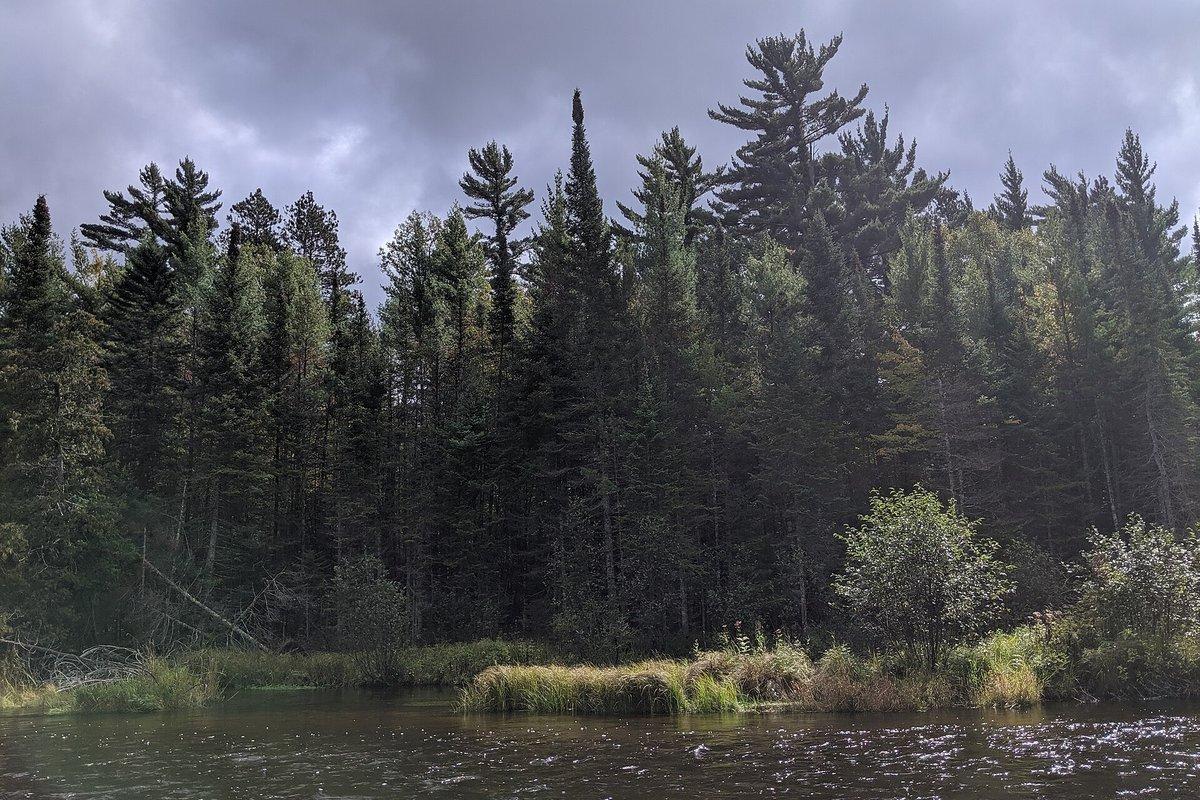
Cover photo: DawnBreaksOverMarblehead / Wikimedia Commons (CC BY-SA 4.0), cropped
