Welcome to Fungi, Flora & Ferment.
I’m Kelly Harrison, and this little Clare County shop grew out of years of walking Clare County oak–maple–pine country with a basket, a notebook, and a soft spot for what the woods put on the table. Around here, seasons still matter. Spring morels, summer chanterelles, autumn hen-of-the-woods shelves at the base of an old oak—fungi remind us that the forest is always cooking something if we pay attention.
I started Fungi, Flora & Ferment because I wanted a place that felt like that same walk home: handmade botanicals, carefully dried wild mushrooms, and honest learning you can use in a real kitchen—not a lecture hall, and not a miracle aisle.
Why mushrooms (and why here)
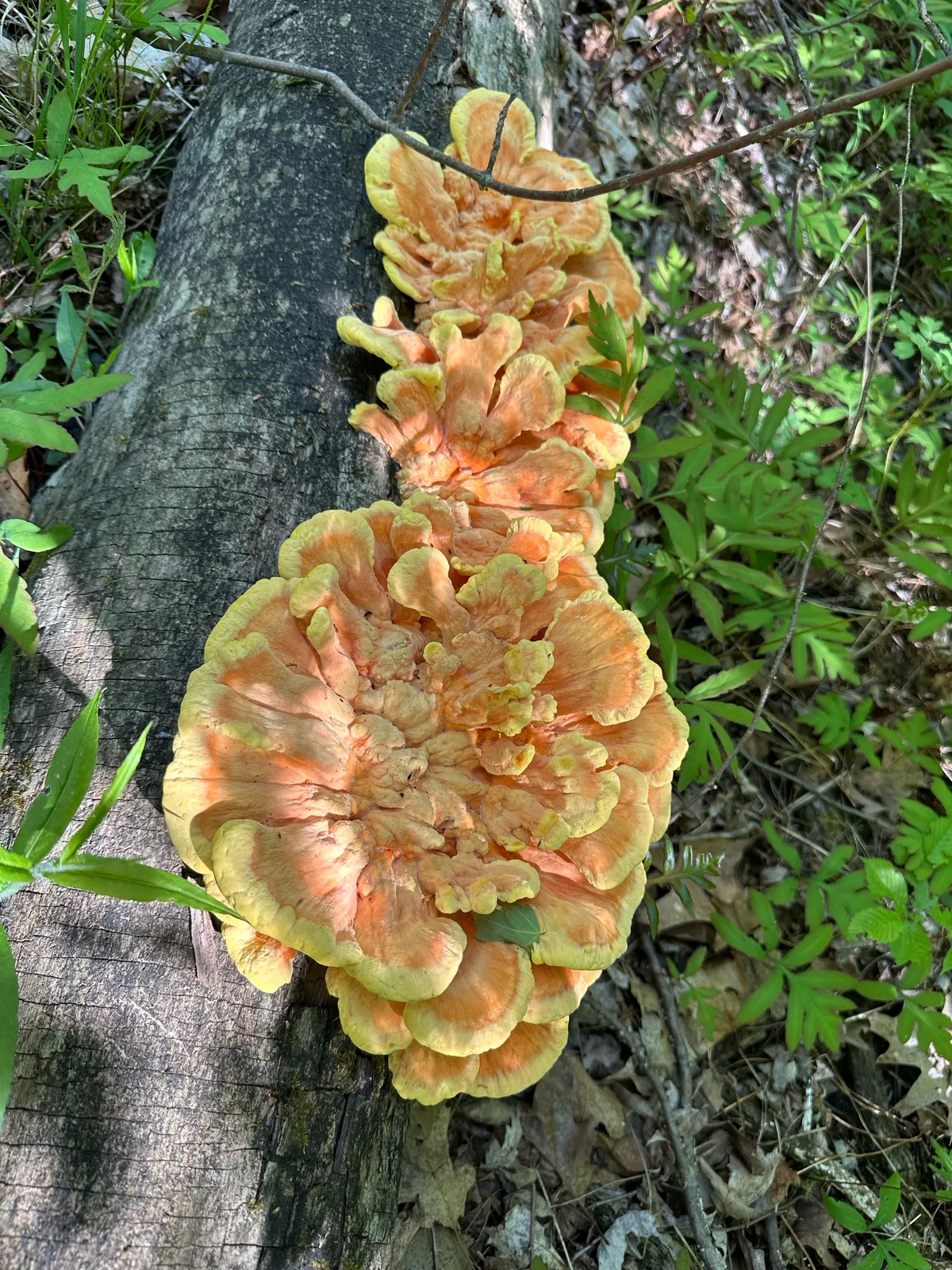
There is a particular wonder in these woods when you kneel down and realize the “chicken” on the log is Laetiporus, or that the frilly hen at the tree base is maitake—Grifola frondosa. Foraging culture up here is seasonal, neighborly, and careful. We share spots sparingly, we leave plenty behind, and we never treat the land like a free vending machine.
That wonder never got old for me. What did change was how much I wanted to pass the habits on: slow looking, double-checking traits, cooking what you know, and respecting what you don’t.
Sharing knowledge is half the craft
How you pick matters as much as what ends up in the jar. Know exactly what a mushroom is before you cook it. Take a little, leave a clean site, and leave plenty behind, so the woods keep giving next year.
On our Learn hub, you’ll find guides built for curious cooks and careful beginners: common name plus scientific name, lookalike caution, rehydration for dried wild mushrooms, simple recipes, and flora craft notes. The goal is practical woods-and-kitchen know-how—habits you can carry into the field and the skillet.
Food first
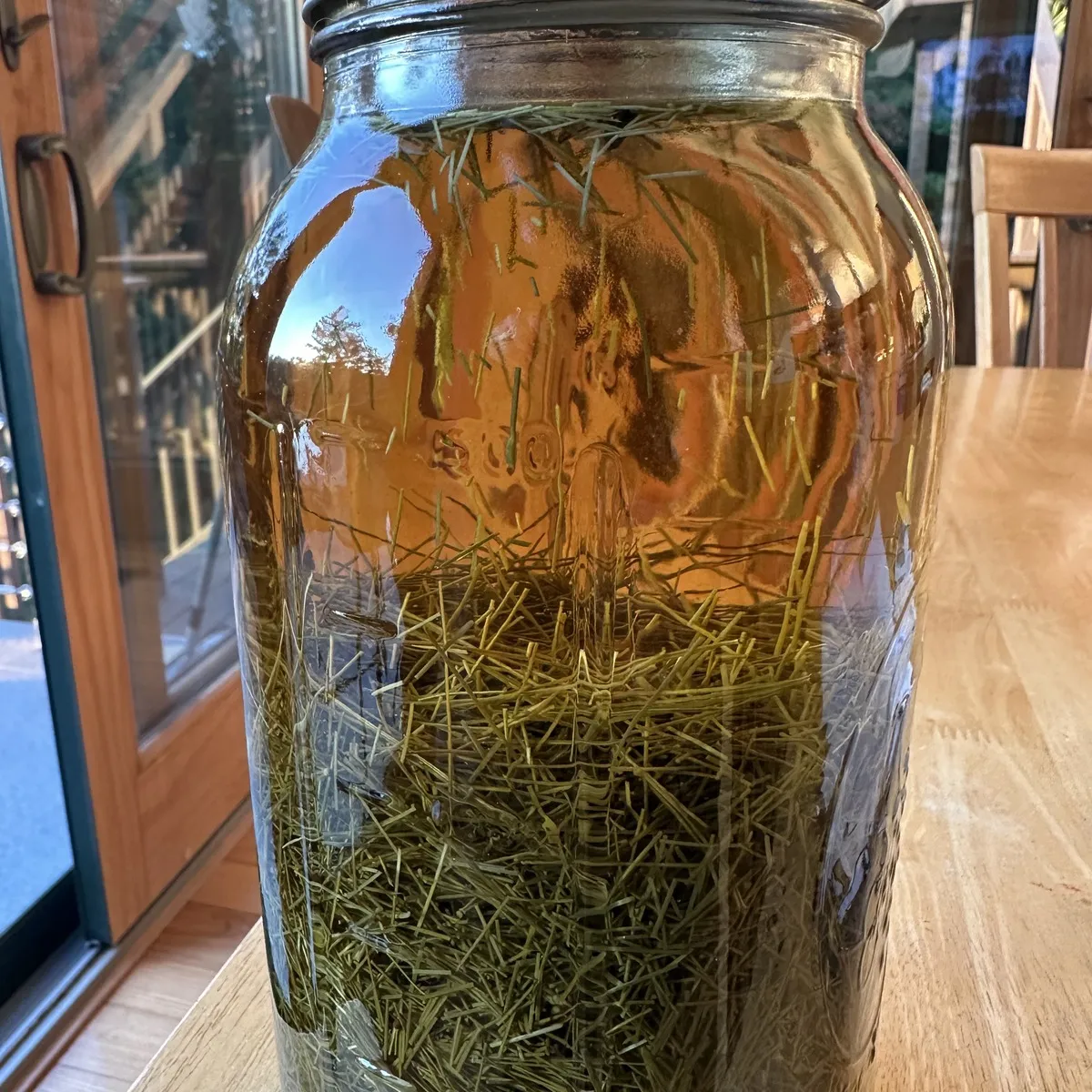
Culinary value comes first in this shop. Dried chicken of the woods and maitake belong in food culture—deep, savory flavor for soups, sautés, toast, and weekend broths. Eastern white pine (Pinus strobus) shows up in traditional kitchen-herbal craft: aromatic, cottage-style preparations people have long kept around the home for flavor and household tradition. We still talk about what’s in the jar the way cooks talk—taste, aroma, texture, seasonality, and how to use it.
Mushrooms and wild plants also have long folk histories, and I love reading about them. I share the interesting bits in Learn guides and posts.
What’s in the shop
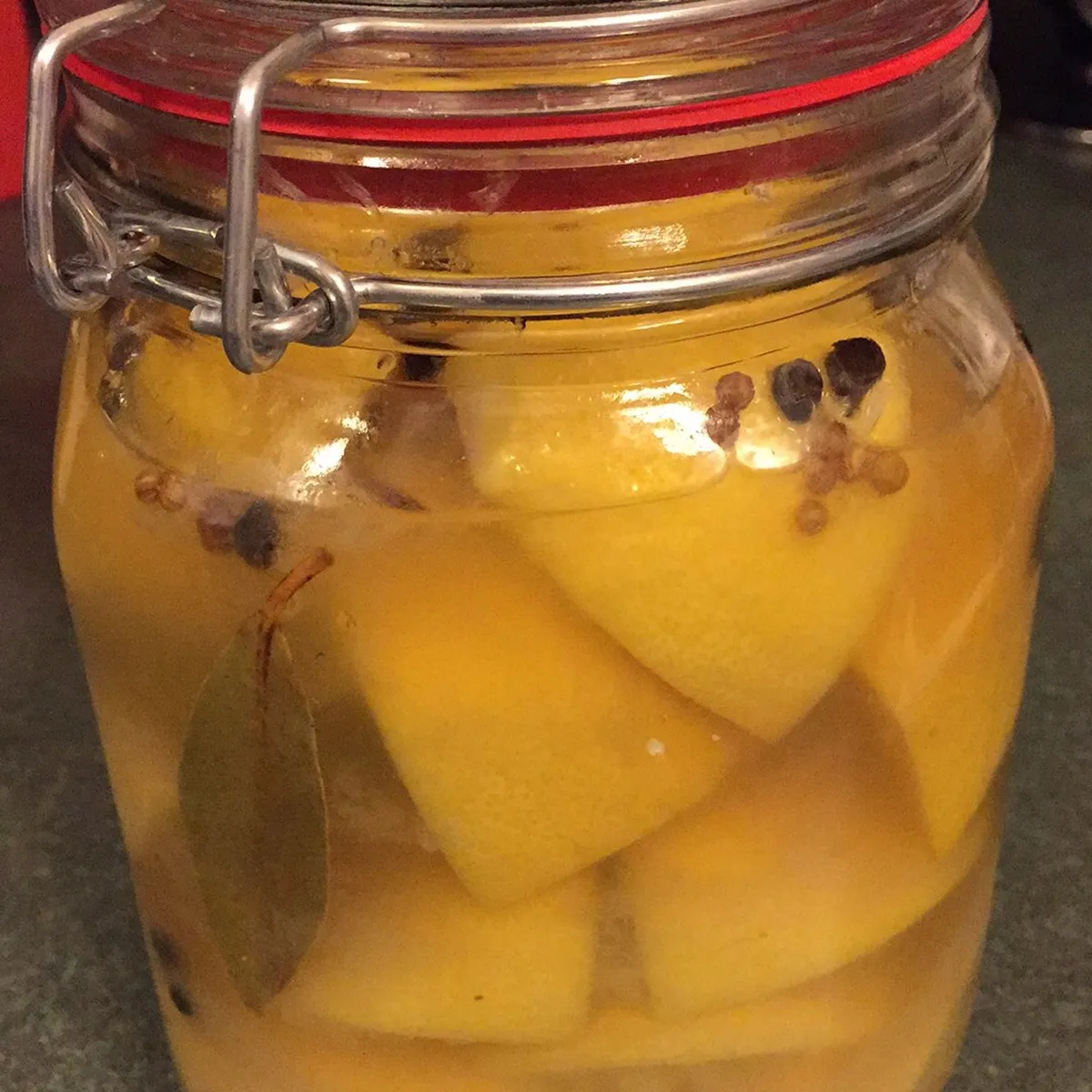
At a high level, you’ll find:
- Dried chicken of the woods (Laetiporus) for the pantry
- Dried maitake / hen of the woods (Grifola frondosa)
- Cottage-style white pine needle (Pinus strobus) tincture
- Brand merch for folks who live the woods-and-kitchen life
- Free and growing Learn guides so the knowledge travels with the goods
Everything is handmade in Clare County, Michigan, in small batches that follow the seasons.
Come walk with us
If you’re new, start with Learn—pick a mushroom guide or the rehydration primer, then wander into recipes when you’re hungry. When you’re ready for jars and shelves, visit the Shop. Questions, custom notes, or just want to say hello? Reach us through Contact.
I’m glad you’re here. Whether you forage, cook, ferment, or simply love the idea of Great Lakes woods in a jar, there’s a seat at this table.
I’m certified by the Michigan Department of Agriculture and Rural Development to identify wild mushrooms for sale.
— Kelly Harrison
Fungi, Flora & Ferment