Puffball Mushrooms: The Cut-Open Rule (Calvatia & Lycoperdon)
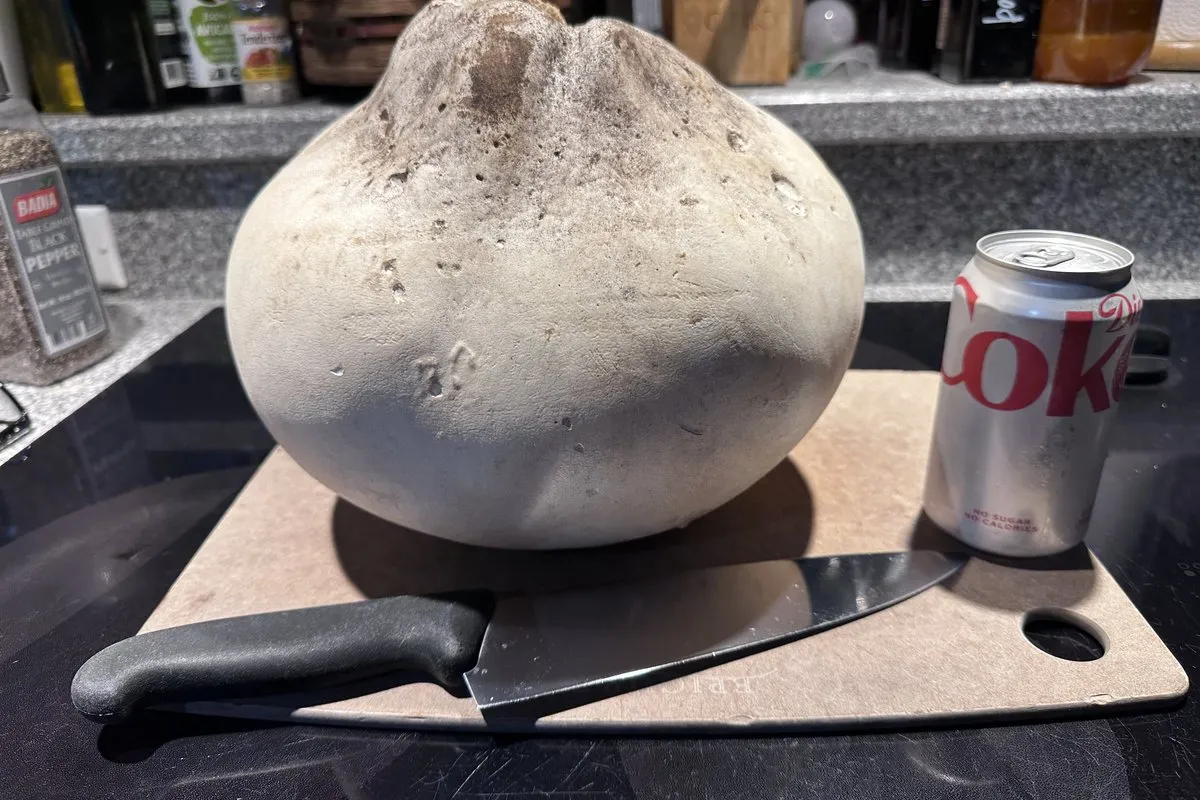
Puffballs are some of the first “interesting white blobs” new foragers notice in lawns, meadows, and woodland edges. Around here, people commonly encounter genera such as Calvatia (larger puffballs) and Lycoperdon (often smaller, sometimes pear-shaped puffballs). They can be memorable in the skillet—only when identification is complete and the interior check passes.
One habit matters most with puffballs: cut every one open before you think about cooking it.
What Counts as a “Puffball” in Everyday Talk?
In field conversation, “puffball” usually means a roughly spherical or pear-shaped fungus that produces spores internally and lacks the classic cap-and-stem-with-gills look of many agarics—when true and mature as a puffball. Common ones include:
Calvatia — often larger “giant” or mid-size puffballs
Lycoperdon — frequently smaller puffballs; some have short sterile bases
Species-level ID still matters for serious students, but the cut-open rule is the safety gate every beginner must learn first.
The Cut-Open Rule (Memorize This)
For any mushroom you believe is a young edible puffball:
Slice it from top to bottom (a clean vertical section).
Look at the entire interior.
For culinary consideration in the classic beginner lesson, the flesh should be pure white, uniform, and marshmallow-firm—not yellowing, browning, or turning into powdery spores.
Critically: you must not see the outline of a developing mushroom inside (a “mushroom within a mushroom”). That pattern suggests an amanita button or another gilled mushroom in early stage—not a puffball.
If the interior is anything other than the expected pure white, uniform puffball flesh—or if you see gill plates, a cap outline, or a stem forming inside—do not eat it.
Age matters too: as puffballs mature, the interior discolors and becomes spore mass. Culinary tradition focuses on young, white interiors—and only after full ID.
Why Lookalikes Make This Rule Famous
The most important warning: young amanitas and other button mushrooms can look roughly round when barely emerged. Earthballs and other non-puffball fungi can also confuse beginners.
Amanita buttons (critical caution)
Members of the genus Amanita can be deadly or seriously toxic depending on species. A buried or partially expanded button may look “puffball-like” from the outside. Cutting open reveals structure—developing gills/cap—unlike a true puffball’s homogeneous white interior.
Earthballs (Scleroderma and similar conversations)
Earthballs often have darker, firmer interiors even when young, not the soft pure-white flesh beginners are taught to expect from culinary puffball stages. Learn the difference with a mentor; do not taste-test your way through it.
Old puffballs
Once the interior is olive, brown, or powdery, it is past the stage typically used for cooking. Spore clouds are for the fungus’s reproduction—not dinner.
Positive identification means you know you have a puffball genus/species appropriate to your skill level and the interior check passed. Outside color alone is never enough.
Habitat Notes
Depending on genus and species, puffballs may appear in:
Open grassy areas and yard edges (permission required on private land)
Woodland edges and disturbed soils
Areas with leaf litter or woody debris for some species
Always consider chemical exposure: avoid foraging where pesticides, herbicides, or polluted runoff are likely. A perfect white interior does not remove contamination risk from a sprayed lawn.
Identification Beyond the Cut
After the interior check, continue learning:
Outer surface texture (smooth, spiny, warted—varies by genus/species)
Presence or absence of a sterile base
Size, season, and habitat
Spore color when mature (for advanced study—not for eating mature spore stages)
Use regional field guides, and learn with someone experienced when you can. That beats a single phone photo.
Culinary Notes (After Positive ID Only)
Young, confirmed puffballs with pure white interiors are sometimes sliced and cooked thoroughly—sautéed, baked, or breaded like a soft “steak” texture. Practical tips:
Cook thoroughly; do not serve raw.
Use specimens that are fresh and clean.
Individual sensitivities exist; introduce carefully.
When in doubt, throw it out.
Never pressure a beginner to “just try a bite.” Never skip the knife test on puffball look-alikes.
Ethics and Common Sense
Take only what you will cook soon.
Leave mature spore-bearing specimens to spread spores.
Ask permission on private land.
Teach kids the cut-open rule as a safety habit, not a treasure-hunt shortcut.
Keep Learning
Puffballs (Calvatia, Lycoperdon, and relatives) reward careful students and humble cooks. Cut them open. Confirm the interior. Respect lookalikes—especially amanita buttons. More guides are on Learn.
Key takeaway: Outside shape lies; the vertical cut tells the truth. Pure white, uniform flesh with no mushroom forming inside—or leave it in the woods.
